Page 38 of The White Octopus Hotel
“Why?” Eve looked at the ringing phone. “Who’s calling?”
His muttered response was so quiet that Eve almost didn’t hear it. “The dead.”
Chapter 23
Max—France, 1918


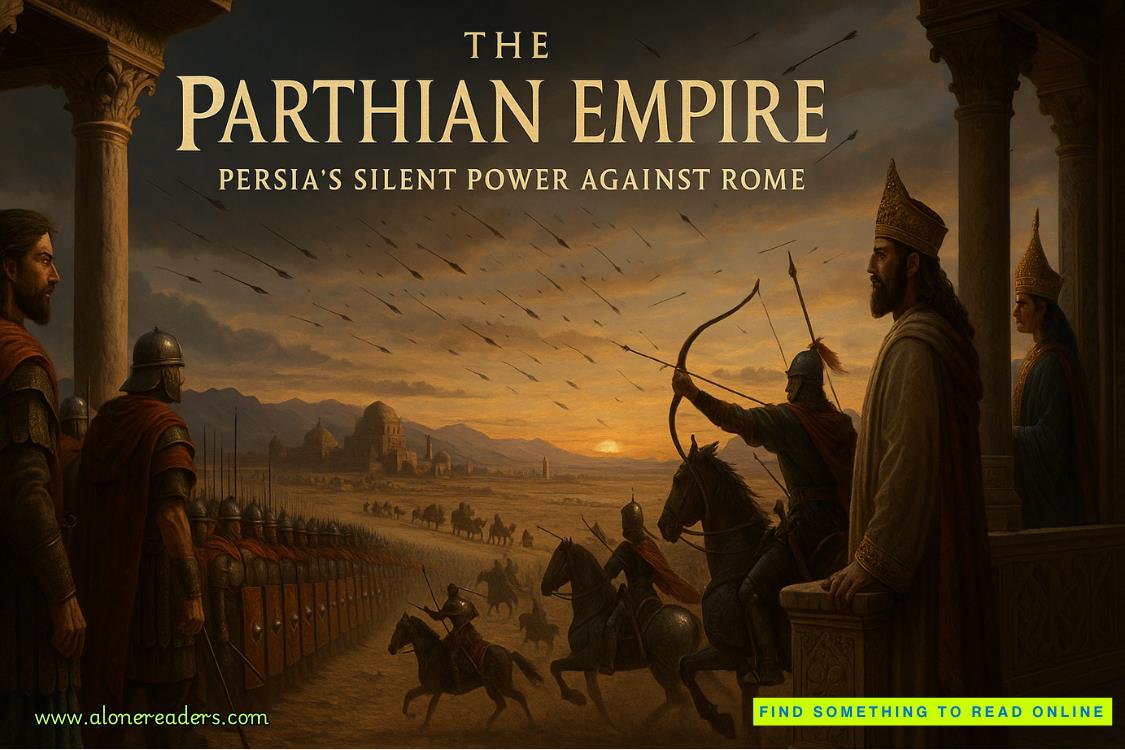

The officers went over the top first, always. Max stood beside the ladder with Thomas, waiting for the moment to go. There was mud everywhere, although most of it had frozen. An icy lump slid down the back of his shirt as he stood against the wall, and he could feel his feet bleeding inside his frozen boots. Last night, his entire greatcoat had frozen, stiff as a board. And time had stopped working again. Whenever he glanced at his trench watch he saw that a whole hour had passed in the space of a minute. Surely, he had been lost in these trenches for years and years.
He worried about his feet. He knew that frozen boots meant gangrene, and gangrene could mean the loss of one or both limbs. Of course, it would be preferable to lose his feet rather than his hands; at least then he could still play the piano. But deep down he knew he would not play the piano again because he wasn’t coming back from the war. It was just a matter of getting through the time that was left.
Beside him, Thomas was humming the Charlie Chaplin Walk as if he hadn’t a care in the world. It was only Max and Thomas left of their little group now. John had had both legs blown off and died a couple of months back. Rupert had been taken out by a sniper.They all missed Betty’s trench cakes. The Germans looked for the officers in particular, prized them above the ordinary soldier.
Suddenly, Thomas abruptly stopped humming. “Four times,” he said.
“What?” Max fumbled in his coat pocket for a cigarette and lit it—not because he especially wanted a smoke in that moment, but because he knew they liked it, the men. There was something about the nonchalant gesture of an officer lighting up that made it seem as if the world was not ending and that he was not afraid.
“That’s how many times I’ve been over the top,” Thomas said, gesturing towards the parapet. “Four times already. This’ll be the last, I think.”
Max suppressed a shudder. Men had these premonitions about their deaths, sometimes, but the truth was that none of them were making it out alive. They didn’t call the officers the Suicide Club for nothing.
“Don’t,” Max said.
It was the last thing he ever said to Thomas because then the order came and their boots were thumping on the rungs of the ladder and they were going over into no-man’s-land, the air buzzing with the sheer, shocking number of bullets flying past.
Max was beside Thomas when his friend was hit in the stomach. This was an injury that Max had seen before, with one of his soldiers—a boy named Charlie Benson. Max had always liked Charlie for his cheerful manner and the way he whistled as he tended to his trench garden. After he was shot in the stomach, Max had watched as the boy scrabbled around on his knees in the mud, desperately trying to push his intestines back inside. For a moment of madness, Max just stood there and watched him do it. Then they’d carried him to the medical tent, which Max knew in hindsight was a damned cruel thing to do because there was nothing that could be done for Charlie, nothing at all. It had taken him hours to slowlydie in agony. Max would never forget those anguished groans, still heard them now, at night when he was just falling asleep.
He knew what this meant for Thomas. He knew as soon as it happened. There would be no more dreams of sailing on board a transatlantic liner once the war was over, no more ideas of becoming a professional musician, no more anything, because Thomas was dead. And Max welcomed the idea that he would be next.
Chapter 24
Eve—The White Octopus Hotel, 1935
The two gentlemen guests who’d been enjoying their cigars rose swiftly to their feet and fled the room, leaving only Max and Eve with the staff member. She stared at the ringing phone, her skin prickling at the thought of the dead trying to get through. What would she hear on the other end if she answered it? Bella’s incoherent baby gabble? The idea was horrible, and she shuddered, suddenly cold. When she looked at Max, he appeared similarly appalled. His mouth was a grim line as he took a step towards it, and Eve had the sense that he didn’t intend to answer the call, but to throw the phone straight out of a window instead. Before he could do so, it abruptly stopped ringing and the room fell quiet once more. Eve walked over and yanked open the drawer of the telephone table, half hoping that it might contain some writing paper, but there was nothing inside but cobwebs.
“You’ve missed one,” Max said. He was looking over her shoulder at the scavenger list still in her hand.
“Where?”




He pointed to the fan-shaped mirror on the other side of the room. “There.”
She looked into the glass and immediately saw the black clockreflected on the wall. It ought to have been hanging directly above her head, but when she glanced around, there was nothing there; it only existed inside the mirror.
“They call it the ghost clock, I believe,” Max said.
Before Eve could reply, another guest burst into the room—a young man in his early twenties, with a pencil-thin moustache and a great deal of styling cream in his hair.
“What does a fellow have to do to get a smoke around here?” he demanded.
“I will happily walk you through the selection in our humidors, sir,” the staff member said politely.
Moments later the guest was sprawled in one of the armchairs, puffing away at a cigar in an agitated fashion. “Take my advice,” he announced, looking at Max and Eve. “Don’t go anywhere near the sixth floor.”
“Why’s that?” Eve asked. She hadn’t been up there yet herself but had heard one of the other guests remark that there was nothing on that floor except staff quarters. Most of the staff lived in, due to the hotel’s remoteness. Still, she meant to check for herself, just in case the elusive Sugar Room was up there.
The guest scowled and took a deep drag on the cigar. “There’s an octopus. A real one, I mean. In the walls. Damn thing almost throttled me with its tentacles. No scavenger hunt is worth a chap’s life.”
Eve looked the guest up and down but could see no sucker marks on his throat, no indication of any ink on his clothes.