Page 14 of Indefensible
“I can, and I will,” Deryn said, “but there’s every chance that I’ll still have to leave the police.”
“Not if we find Mason,” Brody said.
CHAPTER 11
DAY THREE




The next morning, Deryn and Brody sat in the hire car, where they could see Branwen and Phillip’s vulgar electric gates. Deryn had no idea what time Branwen would take the kids to school, so they’d been there since six thirty. Deryn had slept remarkably well under a blanket on Mason’s sofa, despite the best efforts of the black cat to wake him up. All he knew was that they went to a private school in Cardiff, and that Branwen would never allow them to use the bus, even if there was one. So, they waited. A red mini with Branwen at the wheel, and the children in the back, emerged at seven fifteen, and disappeared southwards.
For a couple who relied on the proceeds of crime for a large part of their income, Phillip and Branwen were remarkably lax about security. The electronic gate opened to the same numbers as it had the day before. They had probably lost the manual, Deryn thought. Now for the cars.
The garage door opened to the same code as the gates, revealing the silver Jag, and a large dark-grey people carrier.
“You know, either of these could fit Mrs Davies’ description of a big grey car,” Brody said.
“Surely she would have said a sports car if it was the Jag,” Deryn said.
Both cars were unlocked. Mrs Davies had told Murphy that Mason had been pushed into the back of the car, so they opened both back doors. The bloodstains were in the people carrier — hard to see against the dark fabric of the seats, but easy to see on the crumpled tissues on the floor.
“I know, I know,” Murphy said. “There could be a million other explanations. But going with the obvious one for now … this is the car Mrs Davies saw, and this is Mason’s blood. The question is therefore: where is Mason?”
“Not in the house,” Deryn said. “They’ve got two school-age children. I doubt they could keep someone a prisoner without the children finding out. I’m also not convinced that my sister would be up for hostages. She doesn’t mind spending the money, but she likes to pretend not to know the source.”
“Sheds? A cellar?”
“No cellar, but there are outbuildings we could check. Just have to hope my sister doesn’t get back while we’re still here.”
But the outbuildings, including the pool house and changing room, were all empty of Mason himself or any sign that he had been there.
“What do they use the big car for? Apart from kidnapping,” Murphy asked.
Deryn shrugged. “Going out with the kids I guess. Why?”
“It was very dirty. Muddy. The other car was spotless, and it’s been dry since I arrived. Where has this one been to get muddy?”
Deryn thought of the word ’tunnel?’ on Mason’s calendar, and of the greasy torch he had used as a weapon the day before. “This is an ex-coalmining area,” he said slowly. “There are a lot of disused shafts around here, and I do mean a lot.” He told Brody about the big torch. “It was a really powerful one. Like a police issue one.”
“You’re thinking Mason might be in some old mine workings?”
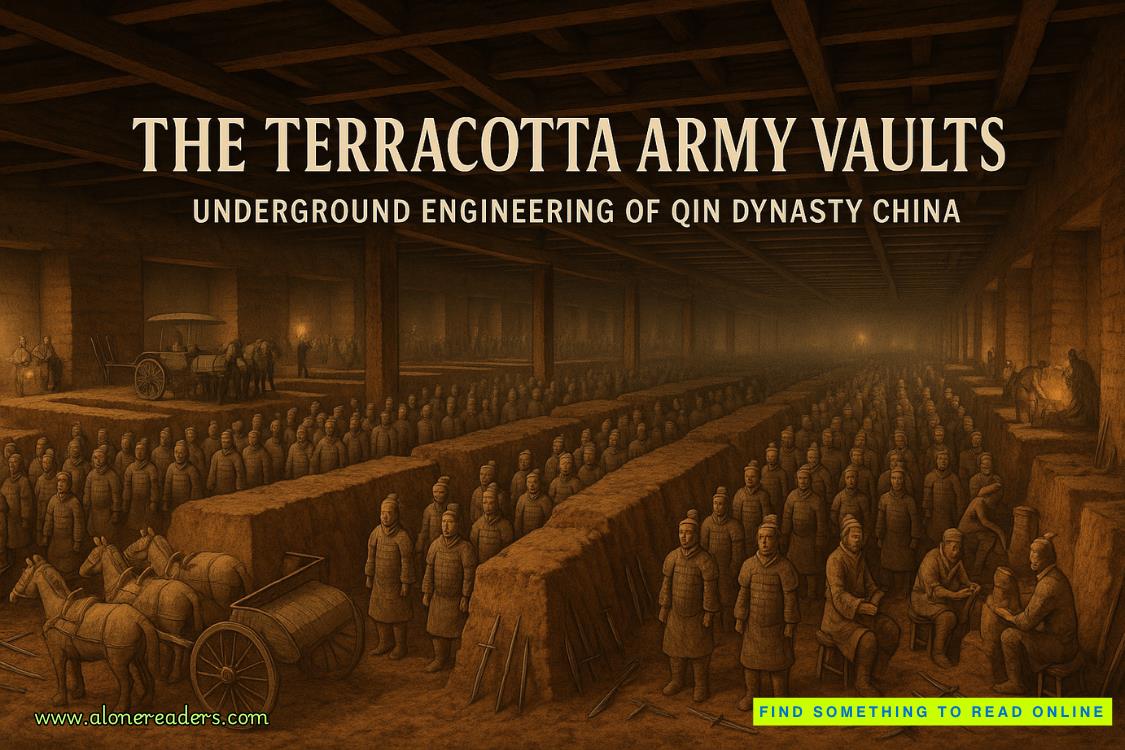



Deryn shook his head, to rid it of the image of a body being dropped into a mine shaft. From the expression on his companion’s face, Murphy was having the same thoughts.
“They wouldn’t need a torch if they were just, erm, dropping something into a shaft,” Deryn said, not sure he was helping.
“If we knewwhichmine workings, we could go and look.”
Deryn thought despairingly about the sheer number of old mines. It would take weeks to search them all. Hell, it would take weeks tofindthem all. “We need to get out of here,” he said. “It might be my last day at work, but I still have to go.”
“We’re going to find him,” Brody said. He almost sounded as if he believed it.
Deryn had time before the briefing to input all the information from the night before: his notes, statements from Robbie’s neighbours, from Ceri, from the paramedic. There was time for breakfast, but coffee was all he wanted. His stomach churned. What would he say if — when — Glover accused him of covering up for his family? He could say he hadn’t, or not exactly. Plausible deniability. He could tell Glover thatturned a blind eyewas as corrupt as it got, because someone was always going to sell drugs. He could sayI didn’t know for certainbecause he had tried not to know about it. Cheap cigarettes and tobacco. Booze. Fuel. Anything heavily taxed that could be brought in from abroad, or stolen, and sold cheaply. Prostitution. Protection.
It was true that growing up, the youngest of eight, an unexpected baby, Deryn had assumed his father was simply a good businessman, which he was, just not a completely legitimate one. It was only when teenaged Deryn was repeatedlyasked for drugs by his schoolmates that he began to join the dots; the late night ‘meetings,’ the mysterious boxes that came and went from the house, the undercurrent of violence. Every family had things they didn’t talk about, subjects that slid out of conversations before they could get a grip. In his family, money simply appeared and no one asked — in his hearing — where it came from. Could he explain that to Glover? Not that it would save him if he did.
The briefing came and went. Deryn reported on what he had seen the night before, including the paramedic’s suggestion that this was another fentanyl-related death. As the meeting drew to a close, the acid in Deryn’s stomach rose up in his throat, and he began to sweat. This was it. The last briefing. His last day in the police station. He resolved to leave without shame, without lies or half-truths. He wouldn’t be the first police officer to put his family before his job, or more to the point, submit to blackmail. The thoughts swirled in his head, adding to his nausea, as Glover approached.
“You OK?” she asked, but didn’t wait for an answer. “Listen, I have to talk to you about something — my office.” Deryn followed numbly, pulling the door closed behind him.
“This Mason Abruzzi,” Glover said.