Page 2 of Harvest of Sighs (Thornchapel 3)
If you don’t do it at Lammastide, then it will be done at Samhain.
It will be one of us.
I’ll do it in the hills.
The light from her single lantern was weak, as Estamond well knew it would be, but the maze’s path was as familiar to her as the taste of Randolph’s lips or the whorls of her children’s hair, and she didn’t falter, she didn’t hesitate or trip. She even gave Adonis’s foot a pat as she slipped down between the doomed lovers and the fountain and into the tunnel.




And then to the woods.
After a girlhood of scrambling over bleak hills and through punishing heather, the verdant woods of Thornchapel bothered Estamond not at all. In fact, she found her step slowing as she walked, she found herself savoring the warm summer night. She listened to the charming rustle of hedgehogs and watched the occasional flap of a bat through the glow of her lantern. Owls called out their territorial cautions, and more than once, Estamond’s light caught the reddish flash of fox eyes before the creature darted back into the trees. The moors had always felt half dead to Estamond, scoured as they were by wind and rain, but the woods of Thornchapel—those were alive.
And on Lammas night, they were more alive than usual.
Drums beat faintly as she approached the clearing in the woods, and she could hear the soft strains of the Other-music suffusing the air. Air now gone electric and stirring, as if merely to breathe it was to become intoxicated. Any other Lammas, any other feast, and Estamond would have reveled in the intoxication, she would have drenched herself with it.
She had grown up with the wild god carved onto her very hearth, holding his opposing spirals in each hand as his antlers caught flares of firelight and shadow. She’d grown up knowing the feasts and what they meant. She’d grown up knowing a secret that only the country folk still knew.
The spirals don’t just mean life and death, her mother had told her. The wild god holds more than life and death in balance.
What could be more important than life and death? Estamond had asked.
Here and there, daughter. The wild god keeps in his body the boundary between here and there. And I will tell you another secret.
What is that? Estamond had asked.
Here and there, and life and death . . . are very nearly the same thing.
The Kernstows kept the knowledge, they lived by it. And the country folk still knew it too, deep in their hearts, for at every feast they still celebrated summer and winter, the green and the brown. They still told stories of there, of the cruel, merry things that lived there, and they still honored and feared them.
Gods and saints, Estamond’s mother had replied when Estamond asked what lived there. Saints and gods.
In the house with the carving of the wild god, there’d been a Bible also, and a small crucifix by the door. The Kernstows reverenced both. After all, St. Brigid was with them on Imbolc, was she not? And the Virgin on May Day? And didn’t the parishioners bring their first loaves to the church on Lammas?
Didn’t the holy dead demand prayers and adoration on All Saints’ Day?
But for the first time in her life, Estamond wondered what the God of the Bible would say to her now as she passes through the menhirs and follows the stone rows to the thorn chapel. After all, there had been a church here once, a church built after Wessex had washed against the rocky crags of Dartmoor. Because Wessex had brought the Guests, and the Guests had brought their brooding death god from across the sea.
And the god brought his church, with his own cakes and ale, his own holy words and rites.
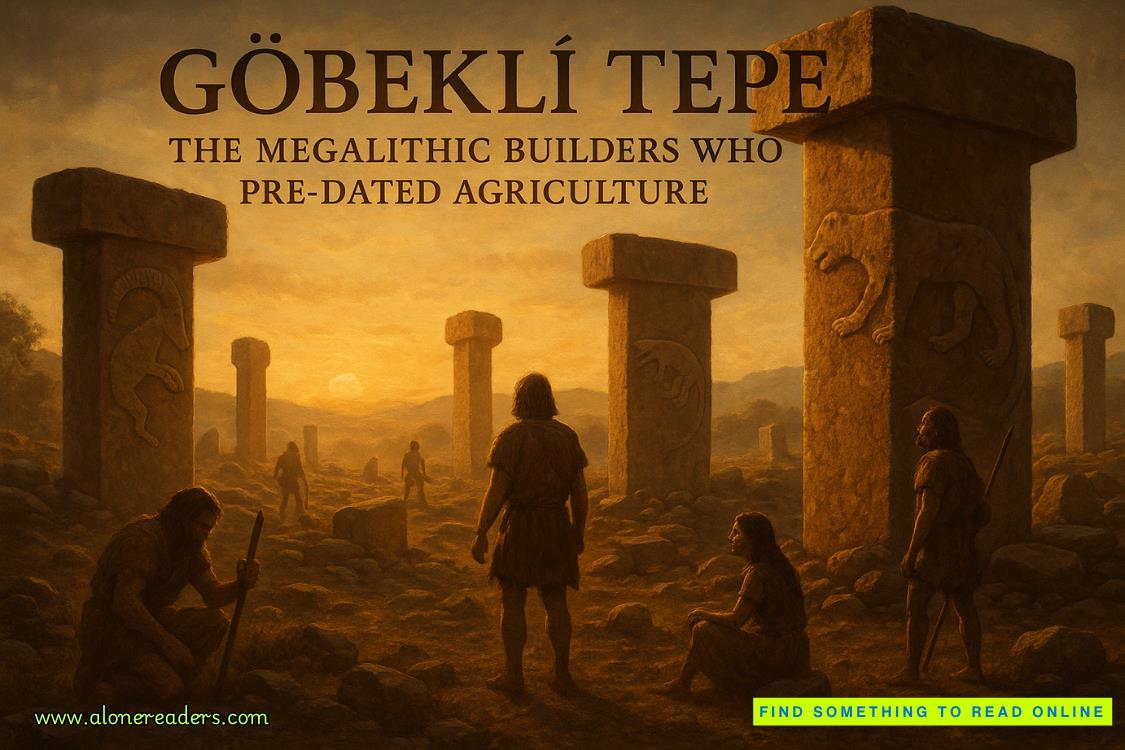
It was always God’s place, her mother had said once about the thorn chapel.
Which god? Estamond had asked.
It was always God’s place, her mother had repeated. Pointedly.
Then she’d added, before the Guests, before the Romans, before the druids. When the thorn chapel was alone and the door was nothing but a shimmer in the air. It was God’s before all that.
And that was as much an answer as Estamond was ever going to get about which god reigned among the thorns.
The Other-drums throbbed and thumped through the clearing, loud and louder as Estamond entered the chapel itself. She could hear the voices now, the singing and the chanting that seemed to come from the air itself. Her lantern-light flickered over stretches of tumbling roses, which were blown wide open and trembling in the breeze, quivering like a woman waiting for a lover’s touch. The moon shone down on the grassy hillock where the altar once stood—or rather, still stood today, just under a blanket of thick, emerald grass.
It could be any other Lammas in the chapel. Any other rose-scented night with drums and voices calling. Any other warm, moonlit feast.
It could be.
It would be.
Except for the door.